

Huge economic losses suffered by fishery aquaculture users due to cage holes are common occurrences. At present, during the fishing season, daily inspections for cage holes have become a rigid demand for farmers' routine checks. To address the economic losses caused by fishing net holes, many fishery farmers have begun to use automated functions to achieve efficient cage detection.
Application of Chasing M200 in Fishery Aquaculture
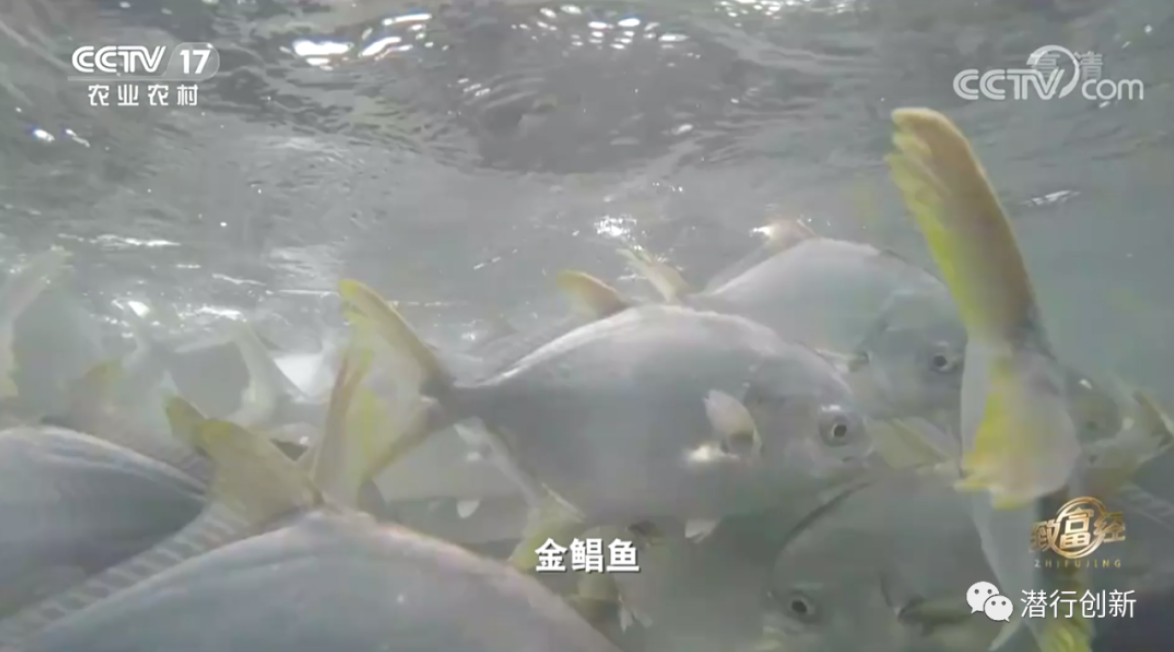
Aquaculture Difficulties:
- There is a kind of slender fish in the fish pond, commonly known as the blood-sucking fish by farmers. It often attaches itself to larger golden pompano and sucks their blood, causing wounds. The golden pompano will become very thin in less than 20 days. This kind of fish lives in the sea and the meshes of fishing nets, and it is difficult to completely prevent it from entering the cages. We can only conduct frequent inspections and then regularly disinfect and treat the injured fish.
- Fish farming in the deep sea requires large investment and carries greater risks. In case of typhoons or other severe weather, even a slight damage to the fishing nets may cause all the fish in the cages to escape, resulting in economic losses.
To uphold innovation-driven development and lead the high-quality development of the fishery industry through innovation, Chasing Innovation has launched the cage automatic detection function to empower fishery aquaculture.
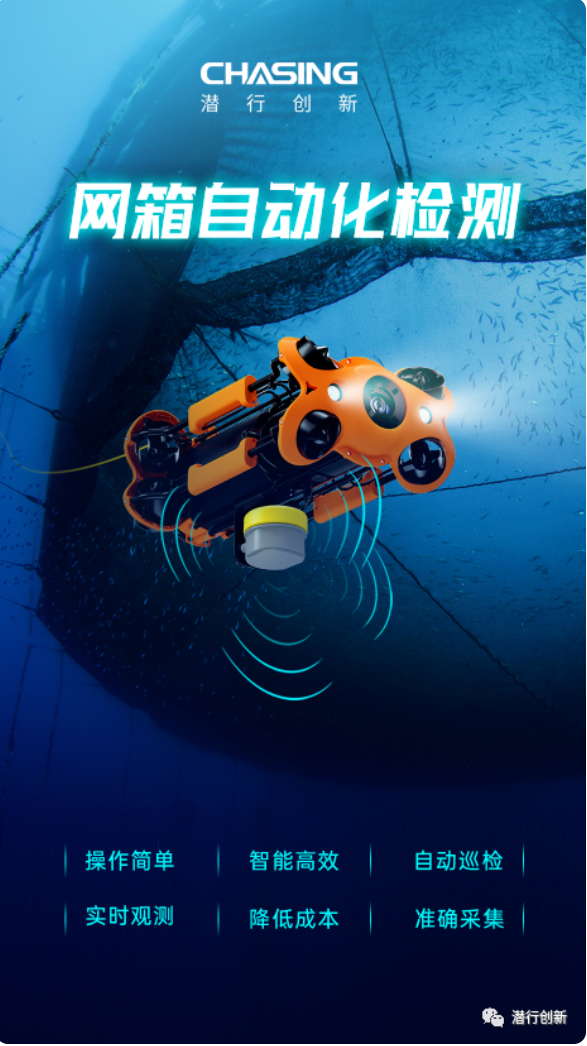
Comparison between Traditional Detection and Cage Automatic Detection Functions
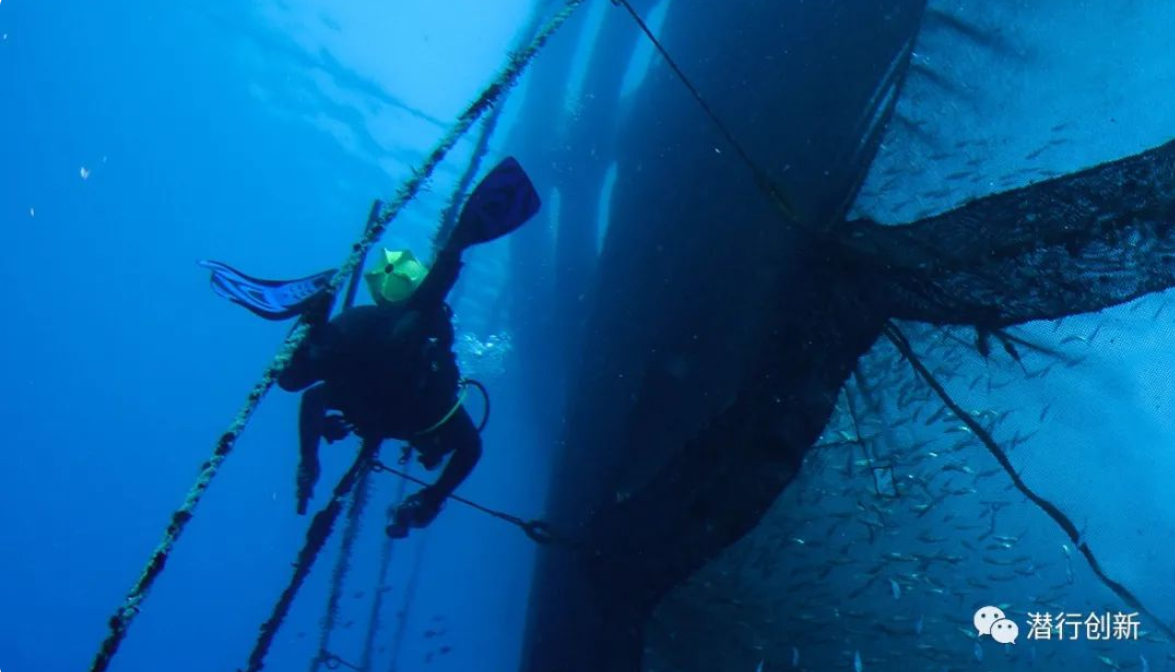
Traditional Fishing Net Detection: Divers are hired to dive into the water for cage detection, and fees are calculated based on workload, resulting in substantial employment costs. After divers enter the water, they need to inspect the net surface one by one and record problems with their own equipment, which not only consumes a lot of time but also poses safety risks. Meanwhile, it is impossible to ensure that every part of the net surface is inspected.
Chasing Innovation's Automated Cage Detection Solution and Value
Solution: Chasing M200/Chasing P100 Equipped with Chasing Fixed-Distance Sonar

- Real-time Observation & Easy Operation: The Chasing M200/Chasing P100 transmits real-time and clear images of the underwater environment back to the shore via its built-in 4K high-definition lens, allowing management and technical personnel to analyze and judge the condition of fishing nets directly on the shore. Equipped with Chasing fixed-distance sonar, it can assist operators in conducting cage inspections more simply, stably and comprehensively.
- Automatic Inspection & Intelligent Efficiency: The automated cage inspection function enables the underwater robot to inspect the entire cage without human control, monitor whether the fishing net is damaged at all times, solve problems in a timely manner, and reduce the risk of fish escaping from the net.
- Cost Reduction & Efficiency Improvement: Reducing the input of inspection staff and adopting the cage inspection solution can lower labor costs, greatly improve the efficiency of cage inspection, realize full-process monitoring, handle problems promptly when found, and enhance economic benefits.
As the construction of fishery automation enters a stage of rapid development, automation is not only an urgent requirement for promoting the transformation and upgrading of the fishery industry, but also an effective means to make up for the shortcomings in fishery development. To actively invest in the intelligent construction of fishery aquaculture, meet the growing intelligent demand of the fishery industry, and promote the deep integration and complementary advantages of automatic detection and fishery, Chasing Innovation will continue to innovate and develop efficient and fast automated application functions, effectively serve the fishery aquaculture industry, promote the scientific conservation and sustainable utilization of global fishery resources, and guide the transformation and development of traditional fishery to smart fishery.
